
Skincare for Teen Skin: Why It Needs a Different Approach
Teen skin operates differently than adult skin — and what works for one can make the other worse. Here's what makes adolescent skin unique, and how professional care supports it.
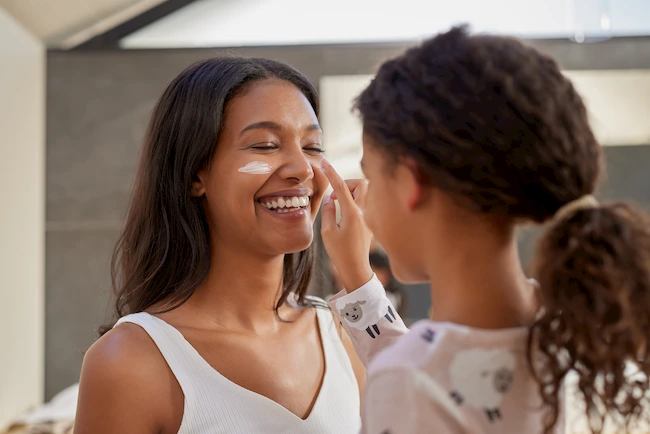
Skincare advice written for adults doesn’t always translate well to teen skin — and some of it actively backfires. The skin of an adolescent is operating under different hormonal and biological conditions than adult skin, which means it has different needs, different sensitivities, and different vulnerabilities.
Understanding those differences leads to better choices — and fewer years of trial and error with products that weren’t designed for the skin you’re working with.
What Makes Teen Skin Different
Increased oil production. Androgens — hormones that surge during puberty — stimulate the sebaceous glands to produce significantly more sebum than they did in childhood. This excess oil is the primary driver of adolescent acne: it mixes with dead skin cells, clogs pores, and creates the environment where bacteria thrive.
Higher cell turnover. Teen skin regenerates faster than adult skin. This is actually an advantage — it means the skin responds well to treatment and recovers quickly — but it also means dead cells accumulate more rapidly at the surface if they’re not regularly cleared.
Sensitivity and reactivity. Despite producing more oil, teen skin can be simultaneously sensitive, particularly in areas prone to breakouts. Harsh, stripping cleansers and aggressive exfoliants can damage the skin barrier, triggering more oil production as a compensatory response — making the original problem worse.
Ongoing change. Teen skin isn’t a fixed target. It shifts with hormonal cycles, stress, diet, and the environment. A routine that works well at 14 may need adjustment at 17.
What Tends to Help
Consistent, gentle cleansing. Twice daily, with a cleanser formulated for oily or combination skin. The goal is removing excess oil and debris without stripping the skin — over-cleansing disrupts the barrier and paradoxically increases oil production.
Light, non-comedogenic moisturizer. Even oily skin needs moisture. Skipping it leads to dehydration, which the skin compensates for by producing more oil.
Regular but gentle exfoliation. Clearing dead cells from the surface prevents the clogging that leads to breakouts. Professional exfoliation — like a teen facial — does this more effectively and safely than most at-home products.
Sun protection. This is the single habit from the teenage years that has the most lasting impact on how skin ages. A lightweight SPF worn daily is worth establishing early.
Professional Skincare for Teens
Our Teen Facial is designed specifically for adolescent skin — not a modified adult treatment, but a service built around the actual needs and sensitivities of 13 to 18 year old skin. It focuses on deep cleansing, exfoliation, and hydration, with techniques and products calibrated for reactive, oily-prone complexions.
For younger children (12 and under), our Princess Facial offers a gentle, age-appropriate introduction to skincare — focused on hydration and skin awareness rather than treatment.
Bringing a Teen In for the First Time
Professional skincare is often more effective than years of self-managed breakouts. A single session won’t clear chronic acne overnight, but consistent professional care — combined with a simple, appropriate home routine — can produce meaningful improvement in skin quality and confidence over time.
If you’re a parent considering a first facial for a teenager, or a teen curious about what professional skincare involves, we’re glad to answer questions before you book.